Recurrent urinary infections in women: causes, treatment and prevention
Dr. Abdellatif Mitach · 5 min read · Published on
Cystitis that keeps coming back? Why women are more affected, how to tell cystitis from a kidney infection, when to see a urologist and the habits that really help prevent recurrences.
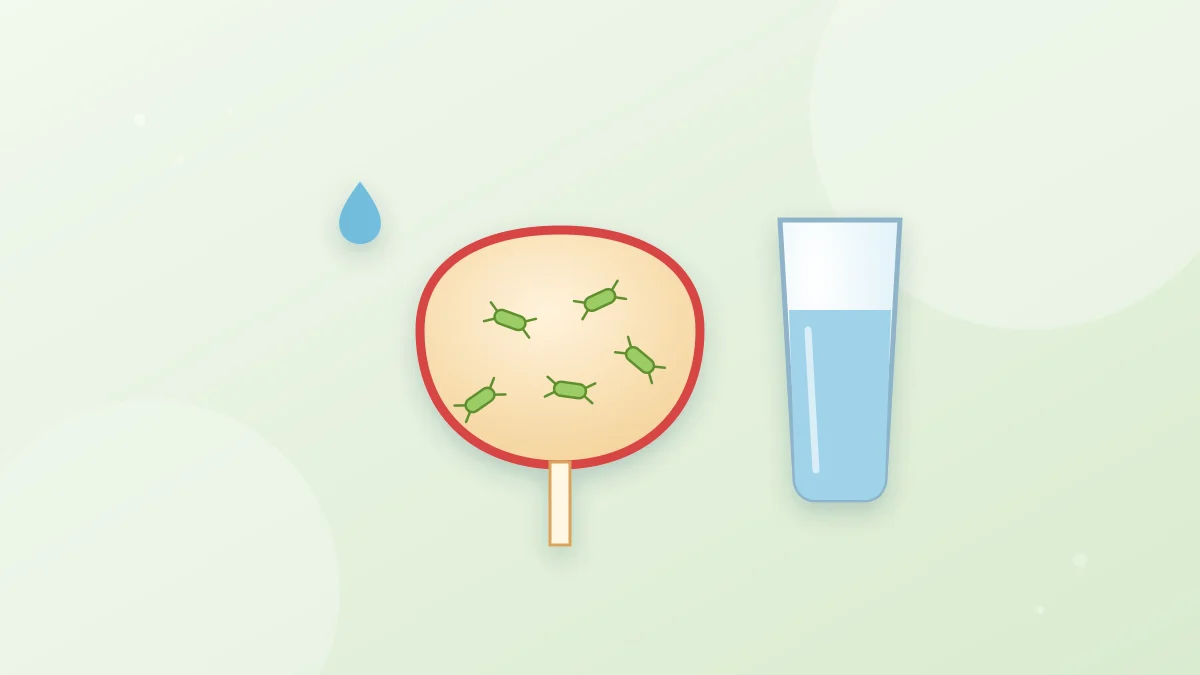
Burning when you urinate, an urgent need to go every ten minutes, the feeling your bladder is never empty… Cystitis is one of the most common infections in women: nearly one woman in two will have at least one in her lifetime. And for some, it keeps coming back.
Recurrent urinary infections are not inevitable. Understanding what triggers them often makes them much less frequent, and a check-up can confirm that no urological cause is involved.
Why are women more affected?
In women, the urethra — the tube that carries urine out of the bladder — is short: about 4 cm, compared with around twenty in men. It is also close to the anus, where gut bacteria such as E. coli, the cause of most cystitis, naturally live. These bacteria can travel up to the bladder more easily.
Several situations make infections more likely:
- sexual intercourse, which helps bacteria move up;
- drinking too little or holding urine for a long time;
- constipation;
- menopause: lower hormone levels change the protective flora of the intimate area;
- some local contraceptives such as spermicides;
- poorly controlled diabetes;
- a bladder that doesn't empty well, a prolapse or a urinary stone.
Cystitis or kidney infection: how to tell the difference?
| Cystitis (bladder infection) | Pyelonephritis (kidney infection) | |
|---|---|---|
| Burning, frequent urination | Yes | Often |
| Fever, chills | No | Yes, usually above 38.5 °C |
| Pain | Lower abdomen | Back or side, on one side |
| Nausea, vomiting | No | Sometimes |
| What to do | See your doctor, urine test | See a doctor the same day |
How is the diagnosis confirmed?
For a single, simple cystitis, a urine dipstick, dipped into a urine sample, quickly points to the diagnosis.
With recurrent infections, a urine culture is essential: it identifies the bacterium and tests which antibiotics work against it. It is the best way to avoid unnecessary treatment and the spread of resistance.
When should you see a urologist for recurrent cystitis?
Most cystitis is treated by a GP or gynaecologist. A urologist's opinion is useful when looking for a cause that keeps infections going:
- very frequent infections despite prevention measures;
- blood in the urine that persists between episodes;
- repeated infections with fever, or a suspected stone;
- a feeling of incomplete bladder emptying, weak stream, urinary leakage;
- infections that started after menopause or after a procedure.
The work-up usually relies on an ultrasound of the kidneys and bladder, measuring the urine left in the bladder after voiding. Depending on the case, other tests may be offered: urine flow measurement (uroflowmetry), a CT scan or a bladder examination.
To learn more about stones, which can keep infections going, read our article kidney stones and renal colic.
How are they treated?
Each episode is treated with an appropriate antibiotic, chosen by the doctor according to the type of infection and, where possible, the urine culture results. Treatment length depends on the type of infection: a few days for simple cystitis, longer for a kidney infection.
When infections remain frequent despite prevention, the doctor may suggest:
- after menopause, a local hormone treatment (pessaries or cream), which strengthens the natural defences of the intimate area;
- preventive treatment for a limited period, in some situations;
- an antibiotic taken after intercourse if infections are clearly linked to it;
- treating the cause found during the work-up: a stone, poor bladder emptying, a prolapse.
How can you prevent urinary infections?
| Do | Avoid |
|---|---|
| Drink 1.5 to 2 litres of water a day | Holding urine for hours |
| Urinate within an hour after sex | Vaginal douching and harsh soaps |
| Wipe from front to back | Spermicides, if infections are linked to them |
| Treat constipation | Very tight, synthetic clothing every day |
| Take time to empty your bladder fully | Taking antibiotics without medical advice |
Is cystitis during pregnancy serious?
During pregnancy, every urinary infection must be treated, even without symptoms, because it can reach the kidney more easily. Urine tests are part of routine pregnancy care. If you have burning, fever or pain, see your doctor or gynaecologist promptly.
To learn which other signs should prompt a visit, read When should you see a urologist? 7 signs not to ignore.
Recurrent urinary infection check-up in Agadir
Dr. Abdellatif Mitach, urologist and andrologist, sees women and men at his practice on Avenue Hassan II in Agadir to find the cause of recurrent infections and set up the right prevention. See the urinary infections and disorders page or book an appointment online, and bring your latest urine culture results.
Sources
- French Association of Urology (AFU), patient information: urofrance.org
- European Association of Urology (EAU), Patient Information: patients.uroweb.org
- French National Authority for Health (HAS): has-sante.fr
Need a consultation?
Book online in seconds. Our team will call you to confirm your time slot.
Book an appointmentThe information on this website is for general information only and does not replace a medical consultation.
Read next
 Conseils
Phimosis and circumcision: what you need to know
A foreskin that won't pull back, infections, discomfort during sex… Normal versus pathological phimosis, treatment with cream or surgery, paraphimosis, and circumcision under proper medical conditions.
 Conseils
Blood in the urine (haematuria): causes, emergencies and tests
Red or pink urine, even once: blood in the urine must always be investigated. Possible causes, emergency signs and what the work-up involves (ultrasound, CT urogram, cystoscopy).
 Conseils
Varicocele: symptoms, fertility and treatment
A heavy feeling in the scrotum, swollen veins, an abnormal semen analysis… Varicoceles are common and often harmless. How to recognise one, when it should be treated and which techniques exist.