 Conseils
Kidney stones and renal colic: symptoms, treatment and prevention
Sudden back pain, nausea, blood in the urine… How to recognise renal colic, when to go to the emergency department, which treatments exist and how to stop stones coming back.
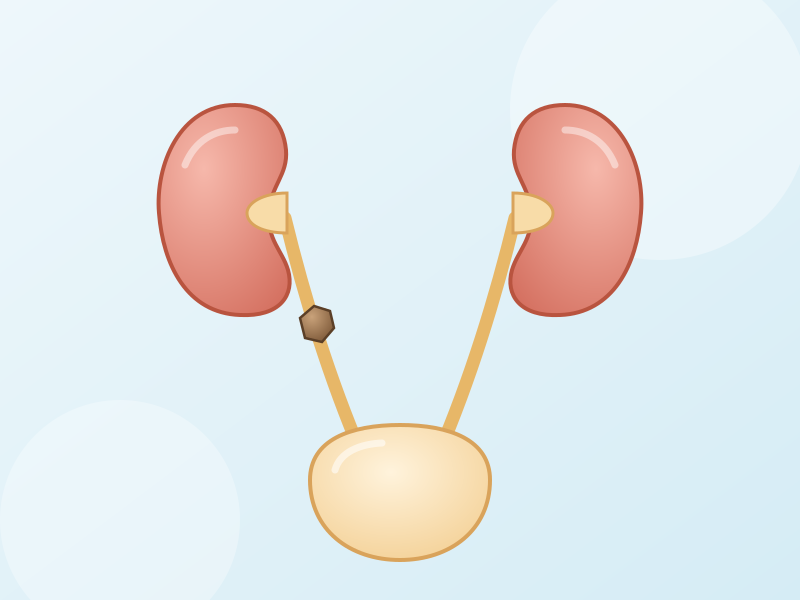
The kidneys filter the blood and make urine, which flows down to the bladder through two thin tubes only a few millimetres wide: the ureters. A stone forms in the kidney when some substances in the urine are too concentrated and crystallise.
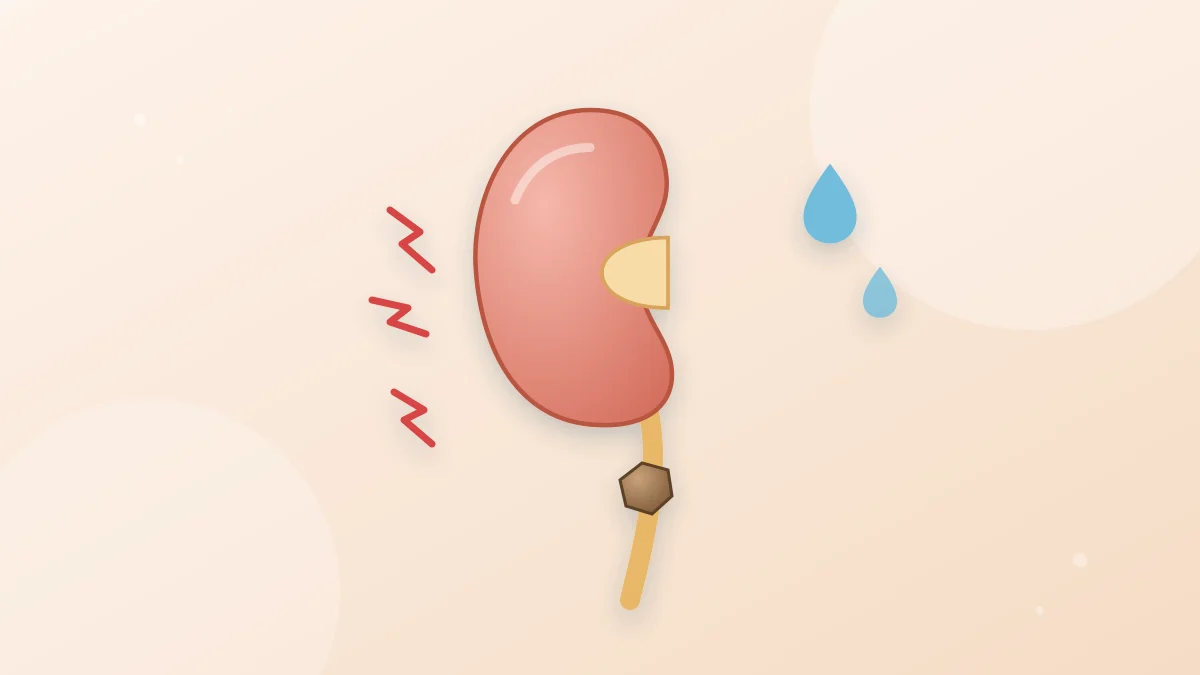
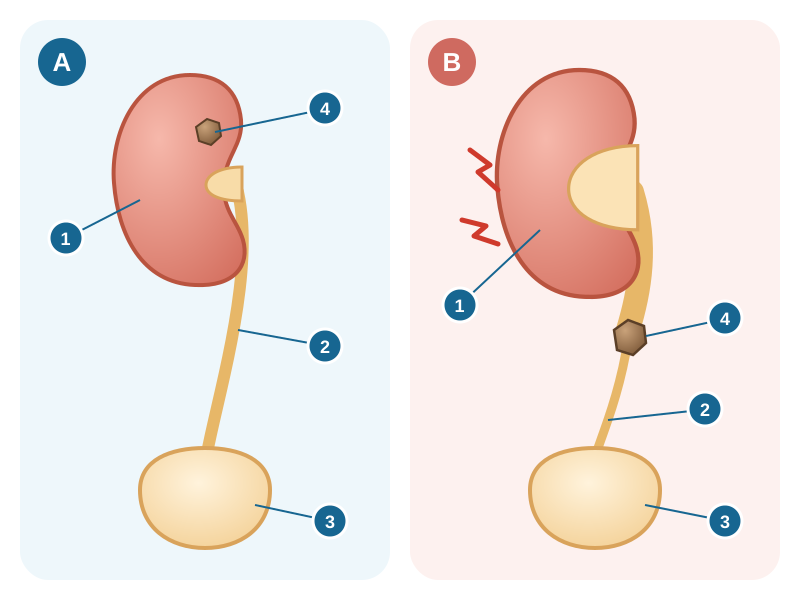
While it stays in the kidney, a stone often goes unnoticed. When it moves into the ureter, it can block the urine: the kidney swells and the pressure causes the very intense pain of renal colic.
In the diagram: A stone in the kidney · B stone stuck in the ureter, swollen kidney
1 Kidney · 2 Ureter · 3 Bladder · 4 Stone
Very intense pain in the lower back or flank radiating to the lower abdomen, sometimes with nausea or blood in the urine. Fever requires urgent care.
Many small stones pass on their own. Larger stones can be treated with several techniques depending on size and location; the urologist chooses the most suitable one.
Drinking enough water, especially in hot weather, limiting salt and having a metabolic work-up greatly reduce the risk of recurrence.
These signs should prompt a visit to a urologist:
The type of pain, any previous stones, diet and fluid intake.
Urine tests and a blood test to check kidney function.
Ultrasound and often a non-contrast CT scan to see the size and position of the stone.
When the stone is recovered, its analysis guides prevention.
Treatment is chosen together with you, based on the cause, how severe the symptoms are and what matters to you.
Small stones often pass on their own, with pain relief and good hydration.
Pain relief, medicines that help the stone pass and, for some stone types, dissolution therapy.
Shock waves break up the stone through the skin, without an incision.
Laser fragmentation through the natural passages, or percutaneous surgery for large kidney stones.
ConseilsSudden back pain, nausea, blood in the urine… How to recognise renal colic, when to go to the emergency department, which treatments exist and how to stop stones coming back.
 Conseils
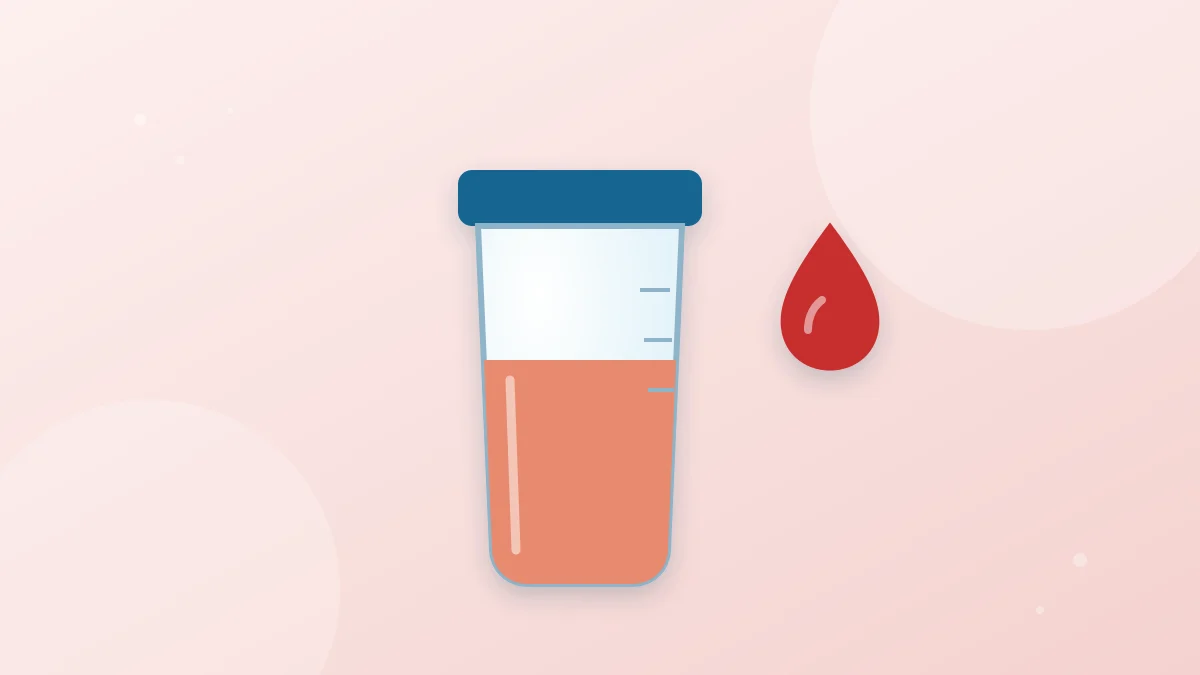
Red or pink urine, even once: blood in the urine must always be investigated. Possible causes, emergency signs and what the work-up involves (ultrasound, CT urogram, cystoscopy).
 Conseils
Urinary problems, blood in the urine, back pain, erection problems… The 7 signs that should prompt a visit to a urologist, and the situations that need urgent care.
Benign prostatic hyperplasia, prostatitis and prostate cancer screening: diagnosis and tailored treatment.
Learn moreMale fertility assessment, semen analysis, varicocele: finding the causes and offering solutions.
Learn moreErection and ejaculation disorders: discreet, effective medical care.
Learn moreRecurrent urinary infections, incontinence, blood in the urine: assessment and treatment for men and women.
Learn moreThe information on this website is for general information only and does not replace a medical consultation.