Skip to content
Dr. Abdellatif MitachUrologist & Andrologist in Agadir

Male infertility

Male fertility assessment, semen analysis, varicocele: finding the causes and offering solutions.

Male infertility
How is sperm made?

How is sperm made?

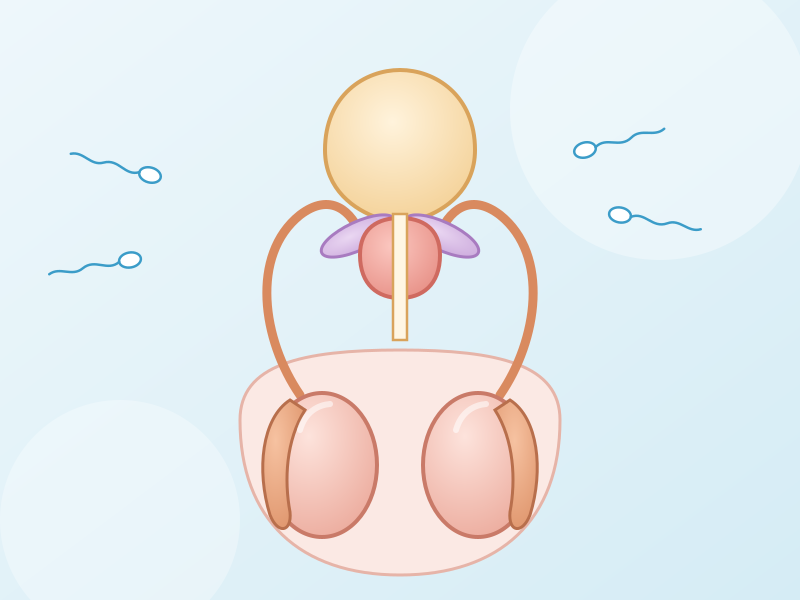
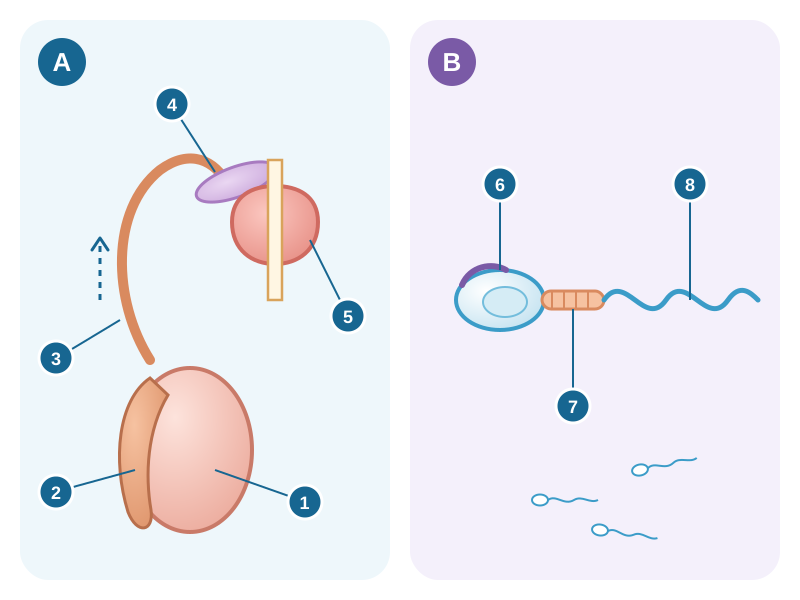
Sperm cells are made continuously in the testicles, then mature in the epididymis, where they learn to move. At ejaculation, they travel up the vas deferens and mix with fluids from the seminal vesicles and prostate to form semen. The whole cycle takes about three months.

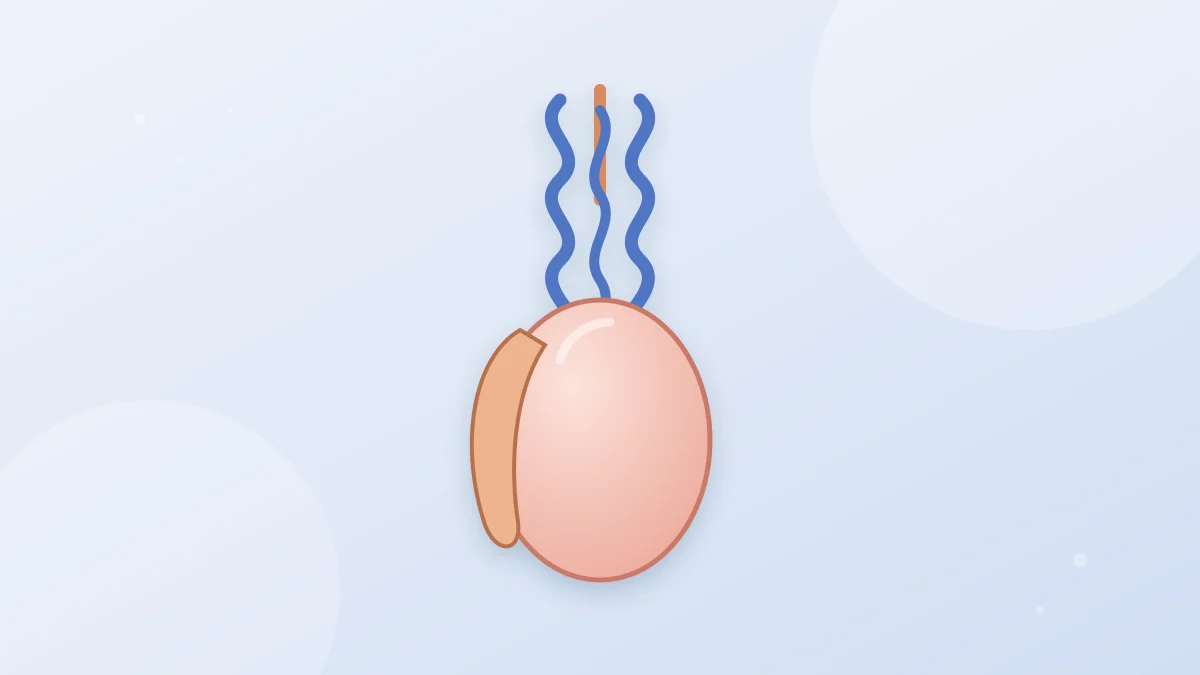
A sperm cell has a head, which carries the genetic material, a midpiece, which provides energy, and a tail, which lets it swim. A semen analysis measures their number, movement and shape.

In the diagram: A path of sperm · B structure of a sperm cell

1 Testicle · 2 Epididymis · 3 Vas deferens · 4 Seminal vesicle · 5 Prostate · 6 Head · 7 Midpiece · 8 Tail
When should we seek help for infertility?

If a couple has not conceived after 12 months of regular intercourse (6 months if the woman is over 35), both partners should be assessed. The male factor is involved in about half of cases.

What does the male work-up include?

A consultation, a physical exam, a semen analysis and, depending on the case, hormone tests and an ultrasound.

When should you see a doctor?

These signs should prompt a visit to a urologist:

  • No pregnancy after 12 months of regular unprotected intercourse
  • After 6 months if the partner is over 35
  • History of an undescended testicle, mumps or genital surgery
  • Varicocele, discomfort or a change in a testicle
  • Erection or ejaculation problems
  • Planned cancer treatment: consider sperm banking

How is it diagnosed?

  1. Consultation

    History, lifestyle, medication and how long you have been trying, ideally with your partner.

  2. Clinical examination

    Examination of the testicles and check for a varicocele.

  3. Semen analysis

    Done after 2 to 5 days of abstinence, and repeated if abnormal.

  4. Further tests

    Depending on results: hormone tests, scrotal ultrasound, genetic testing.

Treatment options

Treatment is chosen together with you, based on the cause, how severe the symptoms are and what matters to you.

  • Lifestyle

    Smoking, alcohol, weight and heat exposure all affect sperm quality.

  • Medication

    Treating an infection or hormone imbalance when it is the cause.

  • Surgery

    For example, varicocele repair when it is indicated.

  • Assisted reproduction

    If needed, referral to a fertility centre (IUI, IVF, ICSI), together with your gynaecologist.

Everyday advice

  • Stop smoking and limit alcohol
  • Avoid prolonged heat: very hot baths, a laptop on your lap
  • Keep a healthy weight and exercise regularly
  • Don't take testosterone or anabolic steroids without medical advice

Articles to learn more

Conseils

Semen analysis: how to read the results

Volume, concentration, motility, normal forms… How to prepare for a semen analysis, how to read the WHO reference values, what oligo-, astheno- or teratozoospermia mean, and what to do if a result is abnormal.

Conseils

Varicocele: symptoms, fertility and treatment

A heavy feeling in the scrotum, swollen veins, an abnormal semen analysis… Varicoceles are common and often harmless. How to recognise one, when it should be treated and which techniques exist.

Conseils

Erection problems: causes, check-up and treatment

Erection problems are common and treatable in most cases. Physical and psychological causes, the link with heart health, what happens at the consultation and the treatments available.

See all articles

Need a urological opinion?

Book online or message us on WhatsApp.

The information on this website is for general information only and does not replace a medical consultation.

Call WhatsApp