Benign prostatic hyperplasia (BPH): symptoms and treatment
Dr. Abdellatif Mitach · 5 min read · Published on
Getting up at night, a weak stream, incomplete emptying… An enlarged prostate is very common after 50. Symptoms, complications, tests and treatments: medication, laser or surgery through the natural passages.
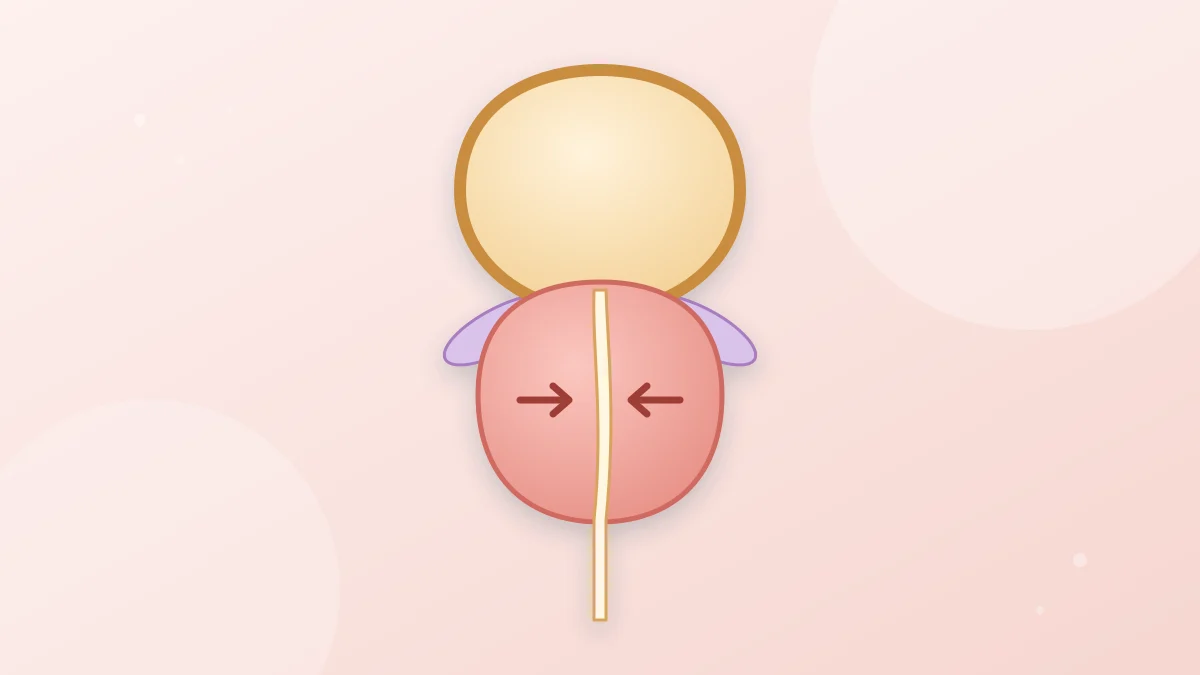
Getting up two or three times every night to urinate, waiting for the stream to start, feeling that your bladder never quite empties… These very common signs after 50 are often caused by an enlarged prostate: benign prostatic hyperplasia (BPH).
It is not cancer, and it is not something you simply have to put up with as you get older: many treatments today can restore comfortable urination.
What is benign prostatic hyperplasia?
The prostate is a chestnut-sized gland below the bladder that surrounds the urethra, the tube urine flows through. With age, and under the influence of male hormones, its central part gradually grows. It can then squeeze the urethra and make it harder to empty the bladder.
An enlarged prostate affects about one man in two at 60, and most men after 80. Not all of them have symptoms: how bothersome it is depends not only on the size of the prostate, but also on how it presses on the urethra and how the bladder responds.
What are the symptoms of BPH?
There are two types of symptoms, which often occur together:
- emptying symptoms: weak or interrupted stream, waiting for the stream to start, straining, dribbling afterwards, feeling the bladder is not empty;
- storage symptoms: frequent urination during the day, getting up at night (nocturia), sudden urges that are hard to hold, sometimes minor leaks.
To measure how bothersome the symptoms are, urologists often use a simple questionnaire, the IPSS score, which rates seven symptoms from 0 to 5.
| IPSS score | Severity | What it usually means |
|---|---|---|
| 0 to 7 | Mild | Monitoring and lifestyle advice |
| 8 to 19 | Moderate | Medication often offered |
| 20 to 35 | Severe | Medication or a procedure, depending on the case |
Which complications should you know about?
Left untreated, bothersome BPH can lead to:
- acute urinary retention: suddenly being unable to urinate;
- urinary infections or prostatitis;
- bladder stones, caused by stagnant urine;
- blood in the urine;
- more rarely, effects on the kidneys.
How is it diagnosed?
The visit starts with a discussion of your symptoms, often using the IPSS score, and sometimes a bladder diary: for two or three days, you note the times and volumes of each urination.
The work-up usually includes:
- a digital rectal exam, quick and only mildly uncomfortable, to assess the size and texture of the prostate;
- a urine test, to rule out infection or blood;
- a PSA test, depending on age and situation;
- an ultrasound, which measures the prostate and the urine left in the bladder after voiding, and checks the kidneys;
- uroflowmetry: you urinate into a device that measures the strength of the stream.
How is BPH treated?
Treatment depends on how bothersome the symptoms are, the size of the prostate, any complications and what matters to you — particularly regarding your sex life.
Monitoring and lifestyle
When symptoms are mild, a few simple measures are often enough, with regular check-ups.
Medication
| Medicine | How it works | Time to work | Good to know |
|---|---|---|---|
| Alpha-blockers | Relax the muscles of the prostate and bladder neck | A few days | Dizziness on standing; reduced or absent ejaculation |
| 5-alpha-reductase inhibitors | Shrink the prostate | Several months | Roughly halve the PSA; possible effects on libido |
| Combination of both | Combines both effects | A few weeks to several months | For larger prostates |
| Other treatments | Act on an overactive bladder or sudden urges | Variable | Chosen according to the main symptoms |
Plant extracts (herbal treatments) are sometimes suggested for mild symptoms; their effect is modest.
Procedures
A procedure is offered when medication is no longer enough or not well tolerated, or when complications occur: repeated retention, infections, bladder stones, bleeding, effects on the kidneys.
Most procedures are done through the natural passages, with no scar: the urologist removes or vaporises the part of the prostate that causes the obstruction, by endoscopic resection or laser. For very large prostates, conventional surgery may be offered. Newer, less invasive techniques are available for some patients.
Should BPH be treated if it doesn't bother you?
Not necessarily. If symptoms are mild and there are no complications, simple monitoring with lifestyle advice is often enough. Regular check-ups make sure the bladder empties properly and the kidneys are not affected.
To learn which other signs should prompt a visit, read When should you see a urologist? 7 signs not to ignore.
BPH care in Agadir
Dr. Abdellatif Mitach, urologist and andrologist, sees patients on Avenue Hassan II in Agadir to assess urinary symptoms and choose the right treatment with you. See the prostate conditions page or book an appointment online, and bring your latest test results.
Sources
- French Association of Urology (AFU), patient information: urofrance.org
- European Association of Urology (EAU), Patient Information: patients.uroweb.org
- French National Authority for Health (HAS): has-sante.fr
Need a consultation?
Book online in seconds. Our team will call you to confirm your time slot.
Book an appointmentThe information on this website is for general information only and does not replace a medical consultation.
Read next
 Conseils
Phimosis and circumcision: what you need to know
A foreskin that won't pull back, infections, discomfort during sex… Normal versus pathological phimosis, treatment with cream or surgery, paraphimosis, and circumcision under proper medical conditions.
 Conseils
Blood in the urine (haematuria): causes, emergencies and tests
Red or pink urine, even once: blood in the urine must always be investigated. Possible causes, emergency signs and what the work-up involves (ultrasound, CT urogram, cystoscopy).
 Conseils
Varicocele: symptoms, fertility and treatment
A heavy feeling in the scrotum, swollen veins, an abnormal semen analysis… Varicoceles are common and often harmless. How to recognise one, when it should be treated and which techniques exist.